


Ock & Thame Farmers: Freshwater & Floodplain Restoration
Project Summary
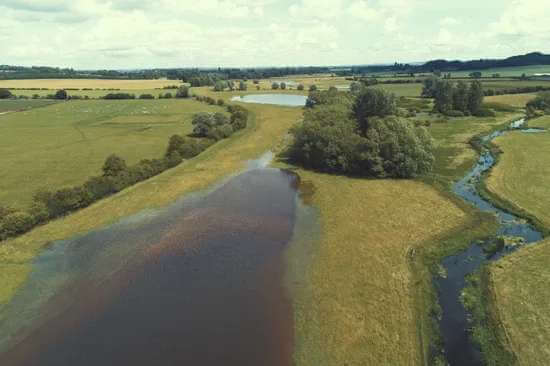
The Freshwater Habitats Trust is working with farmers and land managers to deliver landscape recovery and build the Freshwater Network across two lowland catchments. The project supports net zero, protected sites and biodiversity – while balancing the needs of farm businesses and food production.
Outcomes
- Landscape recovery, biodiversity protection and nature restoration
- Ecological gains by a variety of habitat and species
- Carbon sequestration 5,214,958 tCO2e over 20 years
- 50-100 jobs over 20 years, and increased opportunities for existing specialist companies and volunteers
- Reduction of water pollution and GHG emissions
- Increase in priority habitats in favorable conditions
- Natural flood management protecting 500 properties in project area e.g. increased water storage in peat
- Increased public accessibility to landscape
Other information
Organisation
Freshwater Habitats Trust (and partner organisations.)
Total Cost
£25-50 million over 20 years.
Remaining
c90% of the proposed investment. The Landscape Recovery Project is developing the investment portfolio. Payback period 5-20 years, dependent on size of loans or type of financing instrument involved.
ROI
Mixed model of returns, up to 5% TBC at the end of the development phase – April 2026 – to determine government financial commitments and policy certainty. Current development phase is funded through Round Two of Defra’s Landscape Recovery.
Timeline
April 2026–completion March 2056 (30 years) with many project outcomes delivered in intervening years.
Financing
TBC (debt/equity/bonds) following development phase – financial advisors engaged to identify options.
Investment Type
Blended finance, precise proportions TBC following development phase.
Land Ownership
c.70 landowners. Landowner expectation on return TBC at the end of the Development Phase (April 2026.)
Revenue Generation
TBC at the end of the Development Phase (April 2026) but will include Great Crested Newt District Licensing, philanthropic contributions and government payments, and potentially material losses avoided by reducing flood risk including highways and rail infrastructure as well as buildings and retail assets, voluntary BNG markets, Carbon markets, costs avoided in water treatment by reducing diffuse pollutants at source (nitrate, phosphate, pesticides), costs avoided from Storm Overflow Discharge by reducing volumes of surface water.
Supporting Information
Planning permission needed for some components. Financial model, maps, photography, diagrams, logos, videos, and pitch resources all available. The intention is to create a business model for freshwater and wetland protection and restoration that leverages investment.