Oxfordshire is within Testbed UK, a uniquely-resourced central UK region for taking Connected and autonomous vehicles (CAV) technologies from concept to manufacture.
Oxfordshire offers much of the UK’s expertise in motorsport R&D, test and development facilities, modelling and simulation, as well as academic talent and resources.
Oxfordshire is a global centre for CAV. The CAV Pit Lane at Culham Science Centre enables vehicle manufacturers and self-driving vehicle developers to improve and test advanced driver assistance systems (ADAS) and autonomous systems in over 80 R&D projects.
The Darwin Satcom Labat Harwell, backed by the UK and European Space Agencies, is the first space in the UK designed for testing driverless car technology.
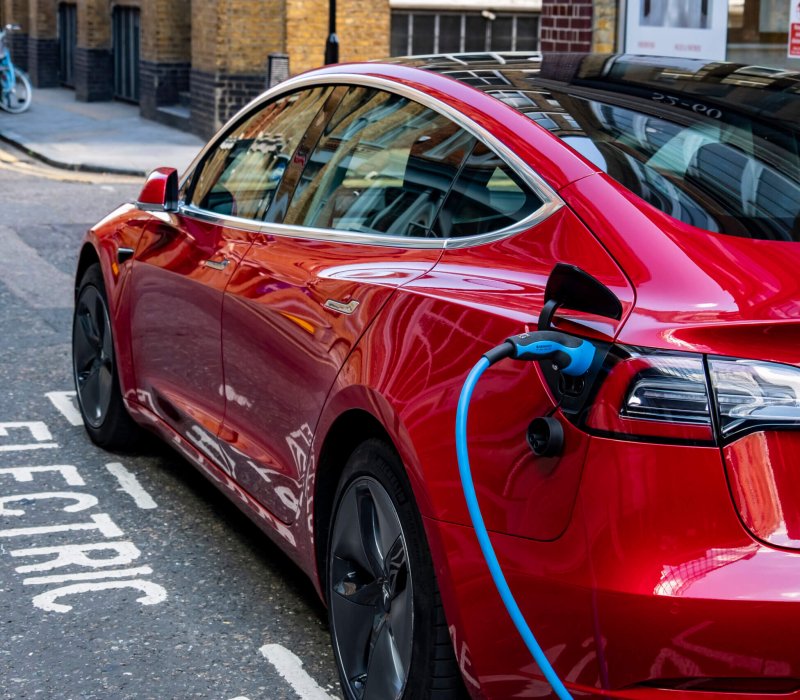
Electric vehicles
Oxford University’s Centre of Excellence for Hybrid Thermal Propulsion Systems is a five-year, £4.7 million project in partnership with Bath University, Siemens and Jaguar Land Rover, to lead the way in hybrid thermal propulsion system science and technology.
Bicester Motion is fast becoming a world-leading community of businesses, inspiring and preserving the past, present and future of automotive and aviation technology.YASA(a University of Oxford spinout), and now a Mercedes-Benz subsidiary moves its headquarters to Bicester Motion in 2026 among the five new buildings adjacent to the airfield.
Motorsport
Oxfordshire’s well-established role within ‘motorsport valley’ is contributing to advances in electric vehicle technology.
Banbury-based Mahindra Racing is one of the founding Formula E race teams
High performance battery creator Fortescue Zero is setting up advanced battery plants for heavy vehicles in Kidlington and Banbury.
Chinese automotive manufacturer NIO has based its Formula E performance technology research centre and advanced engineering group at Begbroke Science Park.
Flight
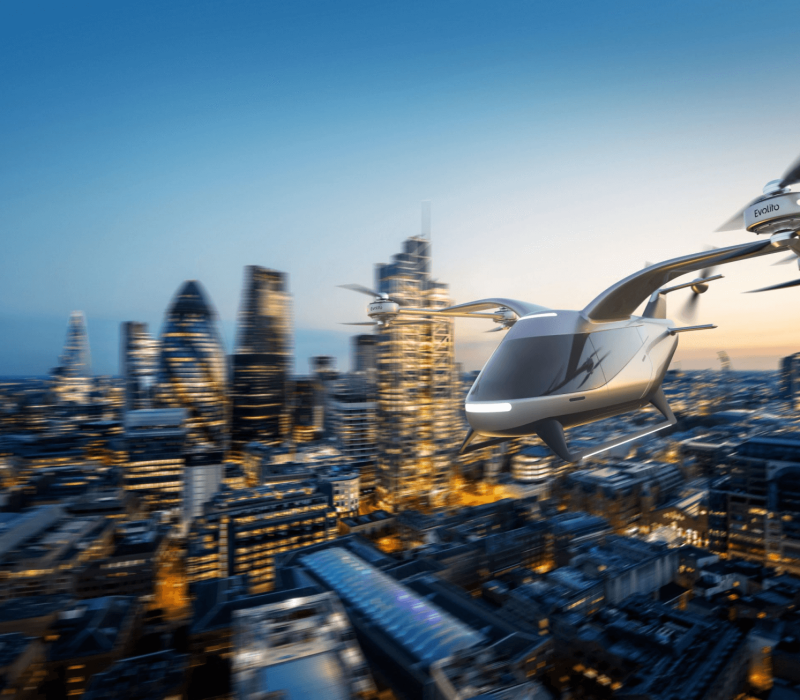
Oxfordshire is set to become a lead centre for all-electric flight.
Evolito is using YASA’s core technology to develop commercially viable electric flight. Airbus is investing $50.5 million in new facilities at London Oxford Airport.
Oxford will also be at the centre of a proposed drone superhighway.
Skyports have completed the first UK vertiport at Bicester Motion, for testing electric vertical take-off and landing.