


CleanTech
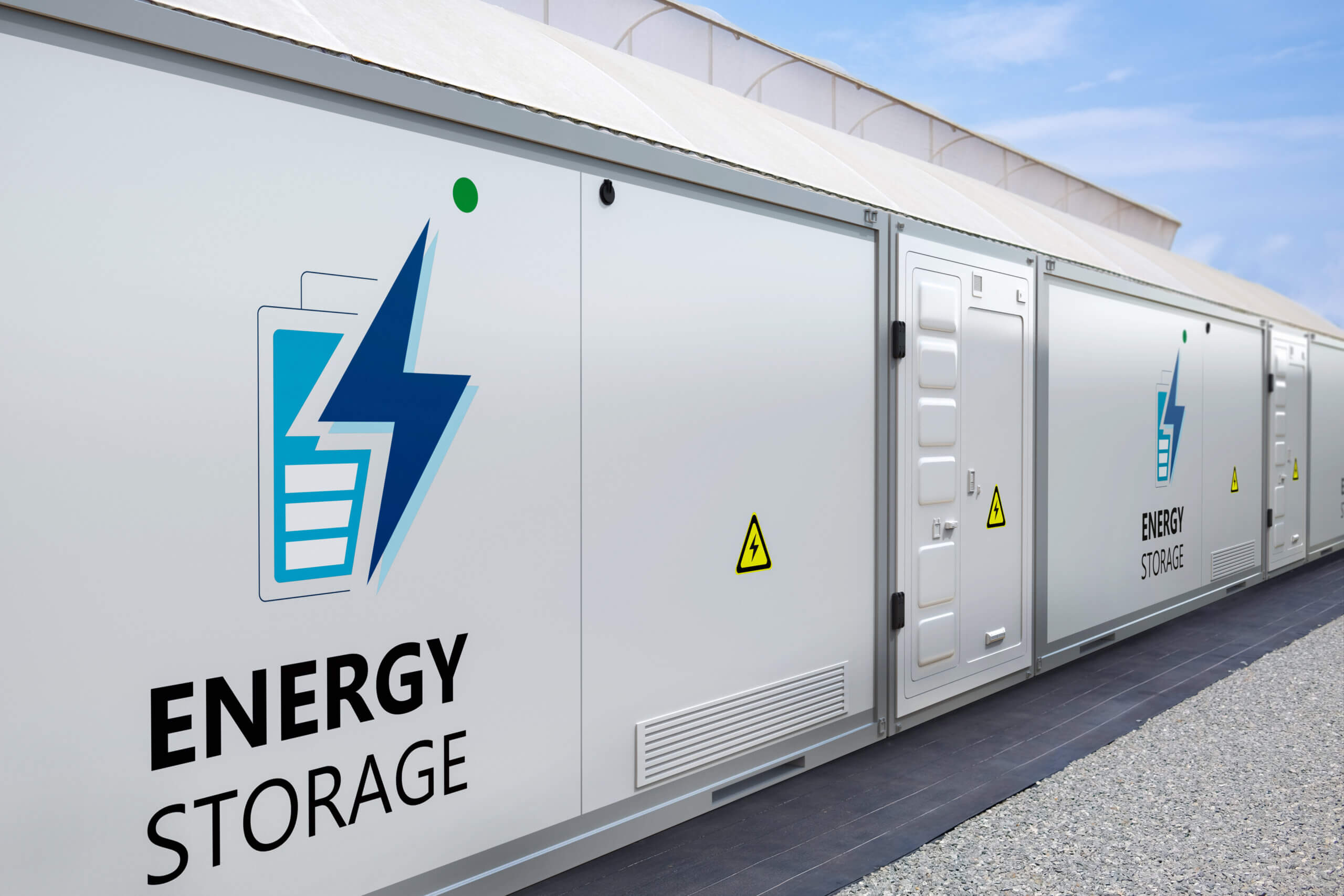

Oxford is known as the birthplace of the lithium-ion battery, thanks to the groundbreaking work of Professor John Goodenough in the 1980s. Since then, the University of Oxford and many organisations within Oxfordshire have continued to be pioneers in energy storage. The region consistently attracts new investment from all over the world.
The most recent international investor is Indian company Agratas. A leader in battery technology and part of the Tata Group conglomerate, Agratas has chosen to make Oxfordshire the hub of its global innovation ecosystem by setting up a new R&D facility at Milton Park where its scientists and engineers will develop cutting-edge battery solutions and pioneer new chemistries and technologies for multiple applications. Agratas collaborates with institutions around the globe and its significant investment will strengthen the UK’s role in global battery innovation. Agratas is also helping to develop talent for the sector by partnering with the Faraday Institution at nearby Harwell Campus to fund three PhD studentships.
Brill Power, a spin-out from the University of Oxford specialising in ways of making batteries more sustainable, has launched a new battery management service to maximise performance.
Oxfordshire Greentech is a business network supporting the growth of the low-carbon sector in Oxfordshire through bringing together businesses and organisations to encourage innovation, collaboration and knowledge transfer, to facilitate the transition towards a sustainable, low carbon future in Oxfordshire and the world.
Oxfordshire is also the centre of an exciting breakthrough in battery development – the world’s first carbon-14 diamond battery. Developed by scientists and engineers at the UK Atomic Energy Authority (UKAEA) in Culham, Oxfordshire, in collaboration with the University of Bristol, the battery has the potential to power devices for thousands of years. Functioning in a similar way to solar panels, but capturing fast-moving electrons from within the structure of a manufactured diamond structure instead of using light particles, the battery uses carbon-14, a radioactive isotope of carbon with a half-life of 5,700 years, meaning the battery will still retain half of its power even after thousands of years. The tiny batteries may have applications in healthcare, for example in implants and pacemakers, and could be used in extreme environments such as space where it is hard to use conventional batteries.
Sarah Clark, director of tritium fuel cycle at UKAEA, calls the emerging technology a “safe, sustainable way, using a manufactured diamond to safely encase small amounts of carbon-14 to provide continuous power”. The battery also provides a use for dealing with nuclear waste, by extracting the carbon-14 that is generated in graphite blocks in some nuclear fission plants, reducing radioactivity while reducing the cost and challenge of safely storing the waste. The UK holds almost 95,000 tonnes of graphite blocks.
Over at Oxford Martin School in the city of Oxford, a programme on circular battery economies aims to deliver a blueprint for a truly circular battery economy, with a focus on leveraging opportunities to offer ‘second life’ applications. Professor Paul Shearing, who is leading the programme, says Oxford is best-placed to lead on this initiative because it has developed multidisciplinary strengths in this area, and has a real drive to co-develop technological solutions with stakeholders and ensure they are economically viable. “This requires integrating many different areas of expertise and Oxford is a wonderful and creative hub for that kind of work. The project will recruit postdoctoral researchers, who will develop a highly transdisciplinary skillset, equipping them to be the future leaders in holistic, just, equitable transitions to net zero.”